









تأمین کاشی و سرامیک در جنگ ، استراتژی خرید مطمئن
در شرایط جنگ و بحران...
سرامیک 80×80 پیکادل کارخانه ارم چهلستون؛ ترکیب طراحی اختصاصی و کیفیت
سرامیک 80×80 پیکادل ...
سرامیک 60×120 ارم چهلستون با نمایندگی پیکادل طرحهای اختصاصی برند ما
سرامیک 60×120 ارم چه...
قیمت کاشی و سرامیک در سال 1404؛ عوامل مؤثر و بهترین انتخاب
راهنمای جامع قیمت کاشی و سرامیک در سال ۱۴۰۴، شامل عوامل مؤثر بر قیمت مانند جنس، سایز، رکتیفای یا معمولی، طرحدار یا ساده و برند ایرانی یا خارجی است. تفاوت قیمت کاشی دیوار و سرامیک کف، سرامیک پرسلان و معمولی و کاشیهای ویژه مانند ضدلغزش و استخری بررسی شده است. همچنین برندهای معتبر ایرانی مانند آپادانا، حافظ و گلدیس معرفی شده و راهکارهای خرید اقتصادی و پروژهای ارائه شده است.
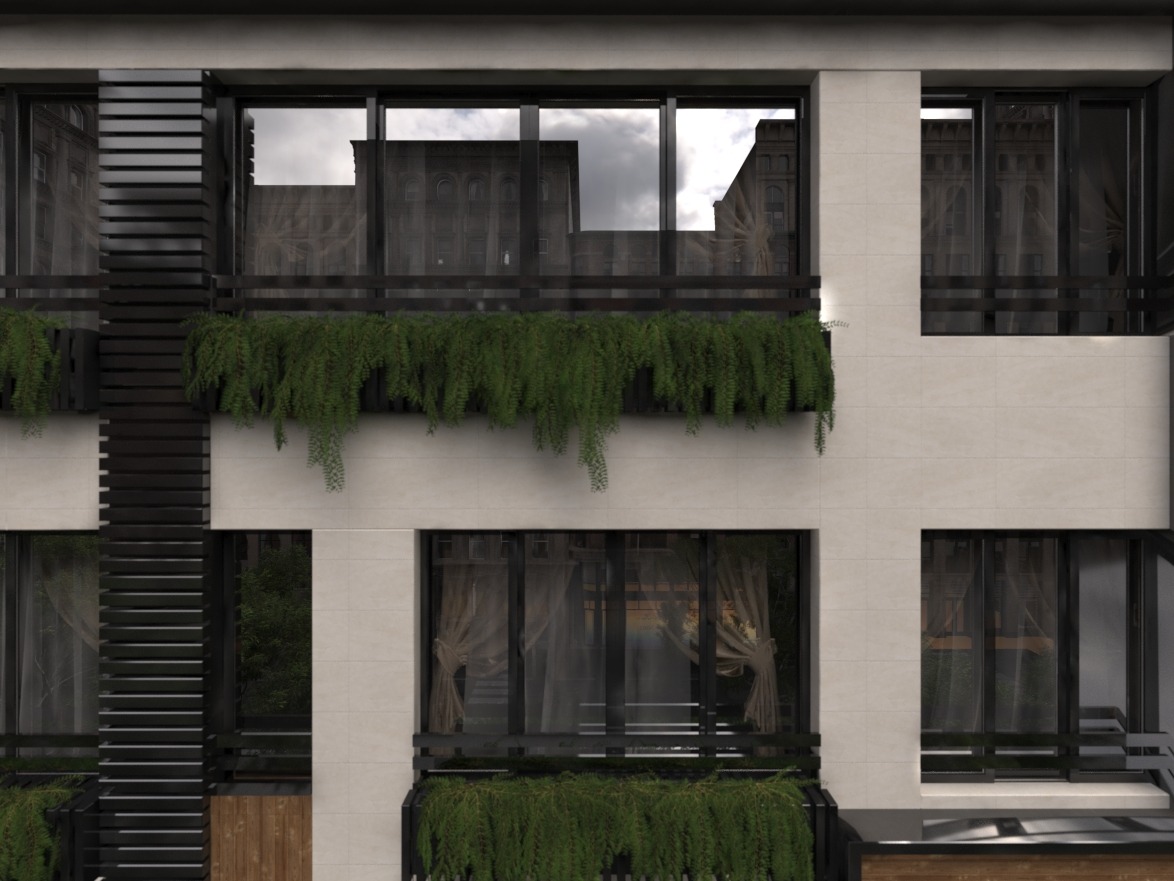
سرامیک 40×120 نمای ساختمان + راهنمای خرید ۲۰۲۵
در این مقاله با 9 مدل پرطرفدار سرامیک ۴۰×۱۲۰ نمای ساختمان از برند پیکادل سرام آشنا میشوید. محصولات تولید شده در کارخانه آپاداناسرام با کیفیت بالا، تنوع طرح و دوام فوقالعاده، مناسب نمای مدرن و کلاسیک هستند. همچنین راهنمای خرید و نکات انتخاب سرامیک نمای بیرونی در سال ۲۰۲۵ ارائه شده است.
کاشی رکتیفای چیست و 4 تفاوت بین کاشی رکتیفای و کاشی معمولی؟
«کاشی رکتیفای چیست؟ همه چیز درباره ویژگیها، مزایا و تأثیر کاشی رکتیفای بر نورپردازی و زیبایی فضا. راهنمای نصب، معایب و نکات انتخاب این کاشی مدرن.»
کاشی و سرامیک آشپزخانه ایرانی در سال 2025
دنبال کاشی و سرامیک آشپزخانه ایرانی مناسب هستی؟ تو این مقاله از برند پیکادل سرام و کارخانه آپاداناسرام، بهترین مدلهای سال ۲۰۲۵ رو معرفی کردیم. راهنمای کامل خرید رو بخون
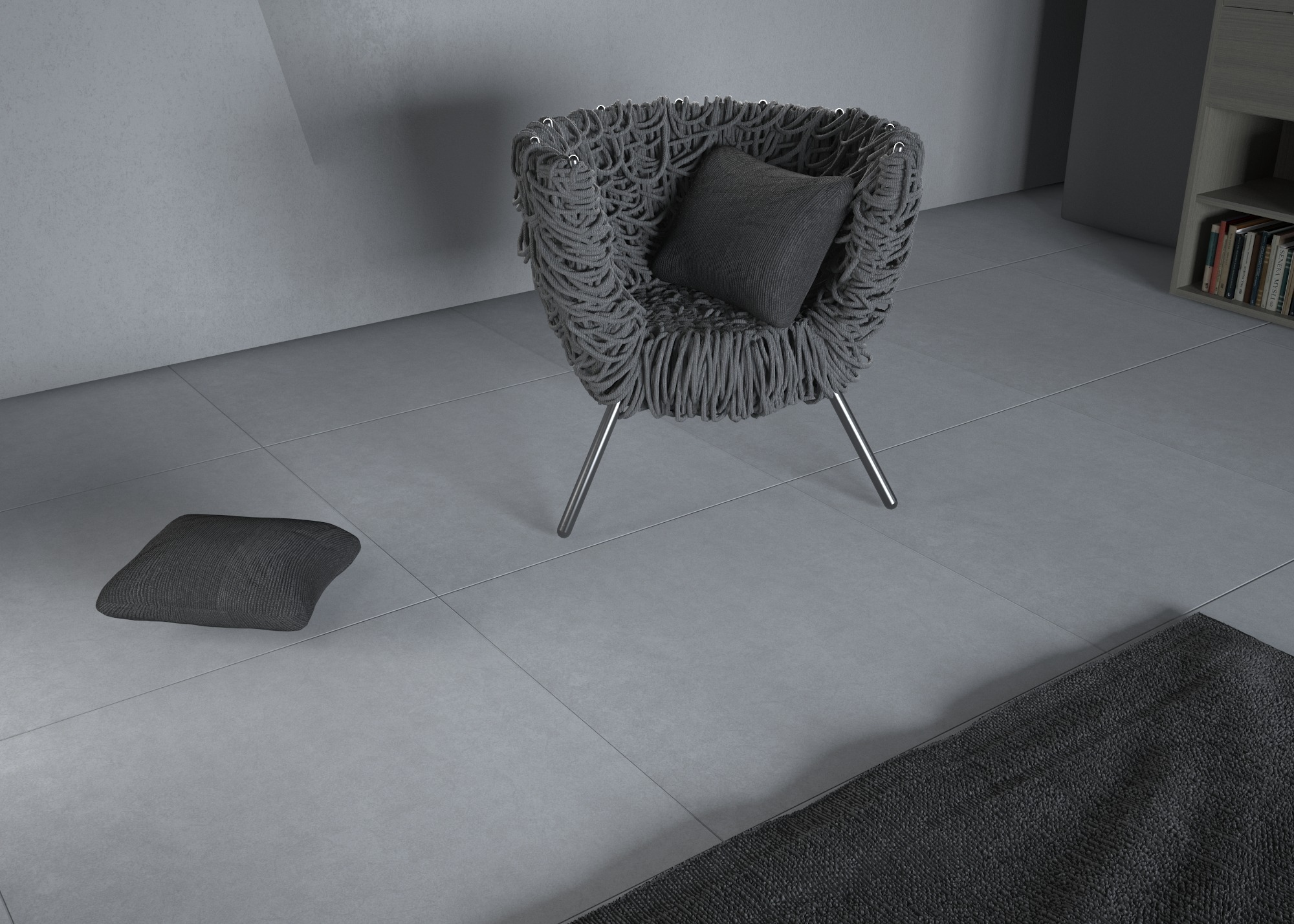
سایز سرامیک کف سالن پذیرایی در سال 2025 چیست؟
انتخاب سایز سرامیک کف سالن پذیرایی مناسب سرامیک برای کف سالن پذیرایی، یکی از مهمترین تصمیمهاییست که روی زیبایی، کارایی، و حتی قیمت نهایی دکوراسیون داخلی تاثیر میگذارد. سرامیکهای بزرگ مانند ۶۰*۶۰ و حتی ۸۰*۸۰ سانتیمتر میتوانند با حداقل خطوط بندکشی، نمایی یکدست، مدرن و شیک ایجاد کنند؛ در حالی که سرامیکهای متوسط یا کوچکتر، برای فضاهای جمعوجور یا طراحی سنتی مناسبتر هستند. در این مقاله با انواع سایزهای پرکاربرد، مزایا و معایب هر کدام، نکات طراحی و اجرایی، و سوالات پرتکرار کاربران آشنا میشوید.
4 اهمیت جذب آب سرامیک پرسلان و راهنمای کامل انتخاب سرامیک مناسب
جذب آب سرامیک پرسلان یکی از فاکتورهای مهم در انتخاب کاشی و سرامیک مناسب است. این ویژگی، مقاومت سرامیک را در برابر رطوبت، یخزدگی و مواد شیمیایی افزایش میدهد. در این مقاله، با مزایای سرامیک پرسلان، نحوه انتخاب آن و معرفی برندهای مطرح ایرانی مانند کاشی آپادانا سرام و کاشی حافظ آشنا میشوید.
خرید کاشی و سرامیک در شرایط فورس ماژور و جنگ
بررسی چالشها و راهکارهای خرید کاشی و سرامیک در زمان جنگ و تحریم، نقش کارخانههای بزرگ مانند آپادانا و حافظ، و راهحلهایی برای مدیریت بهتر تامین کالا در شرایط بحرانی
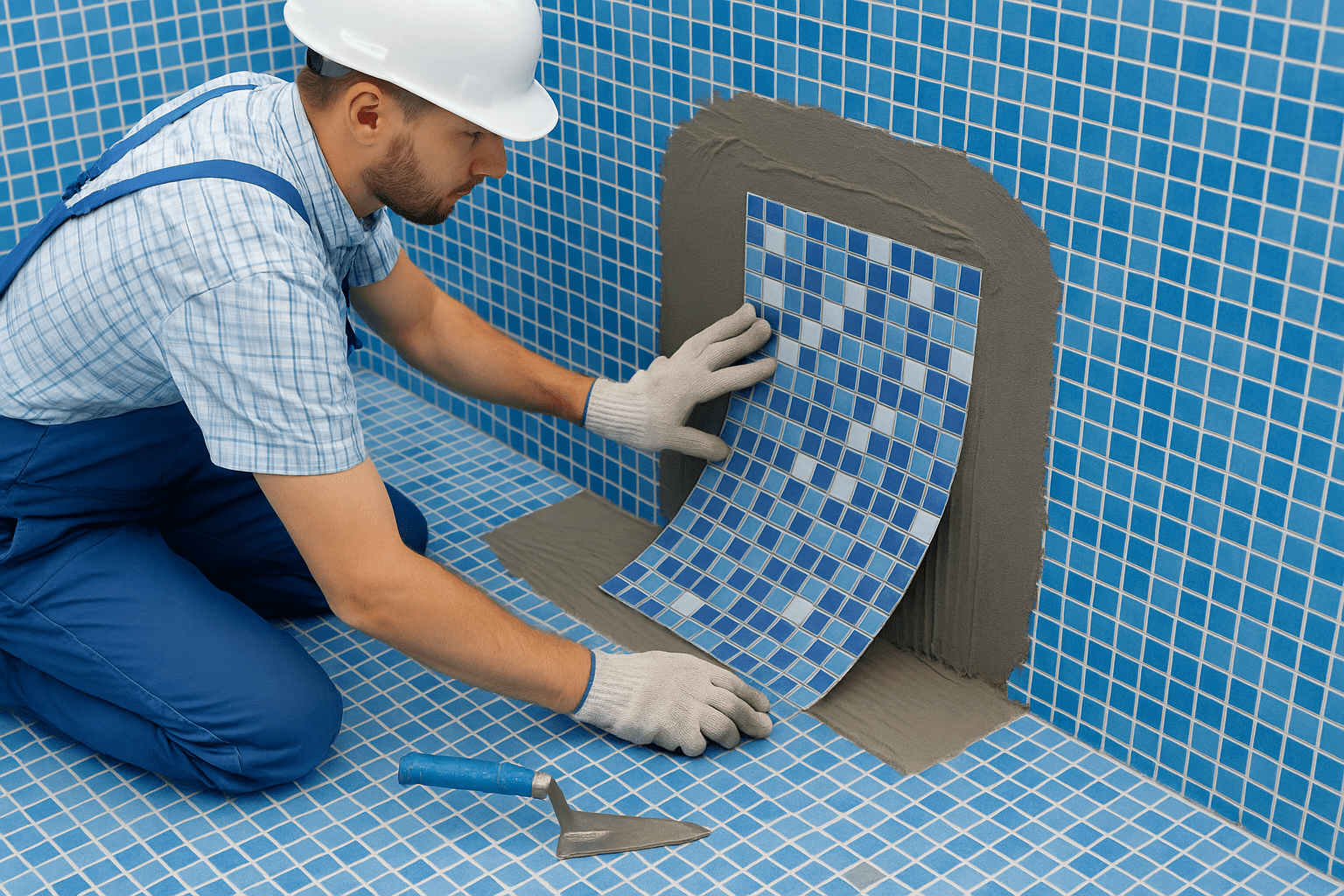
5 روش نصب کاشی استخری : راهنمای جامع برای استخرهای مقاوم
نصب کاشی استخری یکی از مراحل کلیدی در ساخت استخر است که تأثیر زیادی بر دوام، زیبایی و عملکرد آن دارد.
خرید کاشی و سرامیک عمده مستقیم از 2 کارخانه | قیمت مناسب، کیفیت بالا
در بازار پررقابت امروز، خرید کاشی و سرامیک عمده نهتنها به معنای کاهش هزینههاست، بلکه فرصتی برای تأمین محصولات با کیفیت بالا، متنوع و مطابق با نیاز پروژههای ساختمانی است. پیمانکاران، فروشندگان و انبوهسازان برای تامین سریع، بهصرفه و حرفهای مصالح ساختمانی به سراغ خرید عمده میروند. در این مقاله به بررسی کامل مزایای این نوع خرید، برندهای معتبر ایرانی و نکاتی برای انتخاب هوشمندانه میپردازیم. کارخانه آپاداناسرام و کارخانه کاشی حافظ